The Hidden Health Risks of Mould (and When a Remediation Specialist Should Step In)
You spot a dark patch near the bathroom tiles. Maybe it's crept along a windowsill or appeared in the corner of a ceiling after a particularly wet winter. The natural instinct? Grab a spray, give it a wipe, and get on with your day.
Most people do exactly that, and most people don't realise that mould is rarely just a surface problem.
The truth is, mould is one of the most overlooked health risks in Australian homes. It can affect the air your family breathes every day; it can hide inside walls and under floors long before it becomes visible; and it almost always recurs if the root cause isn't properly addressed.
Understanding when it's safe to handle the situation yourself and when it's time to call in a certified specialist can make a real difference to your household's health and your home's integrity.
What Is Mould Remediation?
Mould remediation is the professional process of identifying, containing, and permanently removing mould from a property, addressing both the visible growth and the underlying moisture source driving it. Unlike surface cleaning, it follows a certified multi-step process including inspection, containment, HEPA filtration, material removal, drying, and post-treatment air quality testing.
In Australia, mould remediation should be carried out by IICRC-certified technicians who confirm results through independent air quality testing, not just a visual assessment.
Key Takeaways
- Mould hides inside walls, under floors, and in ducted systems long before it is visible
- Household sprays treat what you can see, but don't address the moisture driving growth
- Black mould should never be handled without professional intervention
- Children, elderly people, and anyone with asthma face significantly higher health risks
- A patch under 30cm x 30cm on a non-porous surface can be DIY; anything beyond warrants a professional
- Professional remediation typically costs $500 to $6,000, depending on scale
When Does Mould Become a Health Risk That Needs Professional Remediation?
Mould isn't just unsightly. It's a living organism that releases microscopic spores and, in certain conditions, toxic compounds called mycotoxins. Exposure can cause respiratory problems, persistent headaches, fatigue, and worsening allergy symptoms, often without anyone connecting it back to the mould in their home.
A small patch caught early is manageable. But mould becomes a genuine health concern when:
- It keeps coming back after cleaning
- There's a musty smell, but no visible source
- It has appeared following a leak or water damage
- It's growing on porous materials like plasterboard, timber, or carpet
These are signs the problem has moved beyond the surface and beyond what a spray bottle can solve.
Is Mould Dangerous for Kids or the Elderly? When Should I Call a Professional?
The short answer is yes, and more so than most people realise. For certain groups, even moderate exposure can have serious health consequences.
Who Is Most at Risk?
Children's lungs are still developing, making them particularly sensitive to airborne spores. For elderly people, a weakened immune system means the body is far less equipped to handle prolonged exposure. Anyone with asthma, allergies, or a compromised immune system is also at significantly higher risk.
Watch for persistent coughing, unexplained skin irritation, frequent respiratory infections, or allergy symptoms noticeably worse indoors; these can all be quiet signals that mould is affecting the people you care about most.
The Rule of Thumb
If vulnerable people are in your home and mould is visible or even just suspected, don't wait. A professional assessment provides certainty far sooner than watching and hoping.
What Type of Mould Requires Certified Specialists to Remove?
Sydney homes are most commonly affected by three types: Cladosporium on walls and fabrics, Aspergillus in damp areas, and Stachybotrys chartarum black mould, which is the most toxic and should never be handled without professional intervention.
Where it's growing matters as much as the type. Mould inside wall cavities, beneath flooring, in roof spaces, or subfloor areas requires a certified specialist regardless of the variety. Mould inside ducted air systems is particularly serious because every time the system runs, it distributes spores throughout the home.
If your property has experienced flooding or water damage, professional remediation is essential. It's also worth considering subfloor ventilation as a long-term measure to prevent moisture accumulation.
Can I Remove Mould Myself, or Do I Need a Certified Mould Remediation Specialist?
The honest answer depends on what you're dealing with.
When DIY Is Fine
A small, isolated patch on a non-porous surface, such as bathroom tiles, glass, or a sealed benchtop smaller than 30cm x 30cm, can be treated at home with proper ventilation, gloves, and a mask.
When DIY Makes Things Worse
For anything beyond that, DIY can make things worse. Scrubbing without containment pushes spores into the air. Supermarket sprays treat the surface but don't address the moisture driving growth. Without HEPA filtration, airborne spore levels actually spike during cleaning. Many homeowners repeat this cycle for months before realising a professional fix would have been simpler from the start.
What Level of Mould Is Safe to Clean Without Hiring Professionals?
- Small patch, non-porous surface, no water damage history - DIY is likely fine
- Mould on porous materials such as plasterboard, timber, carpet or insulation, call a professional
- Mould returning to the same spot after a previous cleaning call a professional
- Musty smell but no visible mould, call a professional
- Vulnerable people in the home call a professional
How Do Professionals Remove Mould Compared to DIY Products?
Supermarket sprays are surface biocides; they may kill visible mould cells, but don't remove spores, address moisture, or verify the problem is resolved.
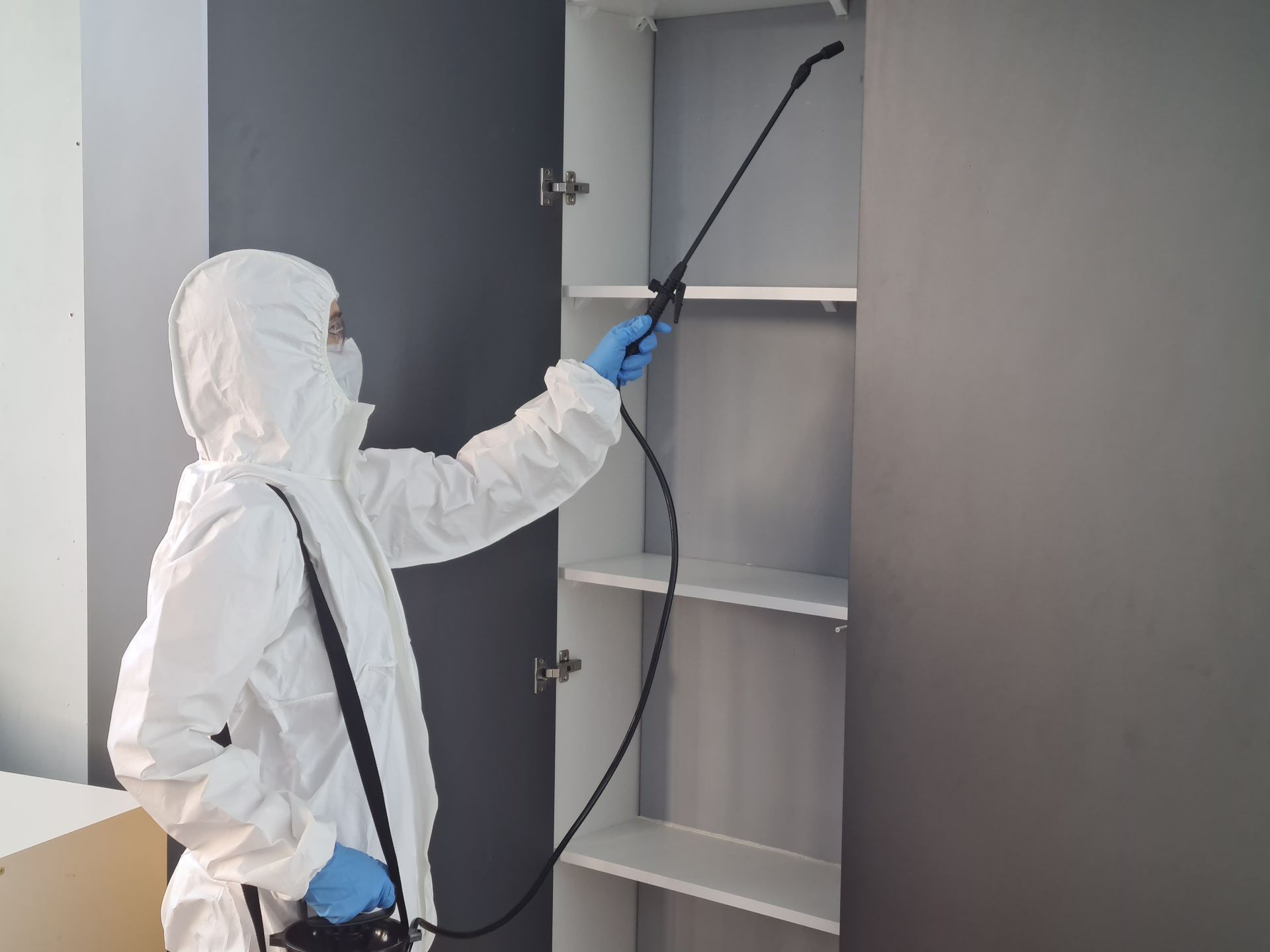
Professional mould remediation works differently at every stage: thorough inspection to identify the root cause, full containment using barriers and negative air pressure, continuous HEPA filtration, safe removal of affected materials, industrial drying, and post-treatment air quality testing. A detailed report is provided at the end, valuable for insurance claims, rental properties, and strata management.
How Do I Choose a Professional Mould Remediation Company in Sydney?
The most important thing to look for is IICRC certification combined with a company that inspects before quoting and provides post-treatment air quality testing.
What to Look For
IICRC certification is the baseline. Look for transparent, itemised pricing, a clear scope of work upfront, and a written report on completion. Post-treatment air quality testing should be standard, not an optional extra.
Red Flags to Avoid
Be wary of anyone who quotes without seeing the property, can't explain their containment process, or focuses only on visible mould without identifying the root cause.
Once you've shortlisted a provider, the next question is what certifications to verify before anyone sets foot in your home. The following section covers exactly that.
What Certifications Should a Mould Remediation Specialist Have in Australia?
At minimum, look for IICRC certification and Restoration Industry Association (RIA) membership, the two credentials confirming a specialist meets internationally recognised standards and is accountable to a professional body. Beyond credentials, look for a provider whose team approaches the work with genuine care. They're not just working on a building; they're working in someone's home during a difficult time.
What Questions Should I Ask Before Hiring a Mould Treatment Service?
- Are your technicians IICRC certified?
- Do you inspect before quoting?
- How do you contain mould during removal?
- Do you use HEPA air filtration throughout?
- Will you identify and address the root cause?
- Do you provide a post-remediation report with air quality testing?
- Do you work with insurance companies?
A specialist confident in their process will answer every one of these without hesitation.
The Bottom Line
Mould is not a problem that rewards patience. Left untreated, it spreads and quietly takes a toll on everyone living under the same roof.
If you're unsure about what you're seeing, or you've been cleaning the same patch for months without it going away, it's worth getting a proper assessment. The right team won't just clean what's visible, they'll identify the cause, fix it properly, and give you a verified, documented result.
Reach out to Apex Restore today for a thorough inspection and straightforward advice. Because your home and the people in it deserve more than a temporary fix.
FREQUENTLY ASKED QUESTIONS
How do I know if I have mould behind my walls?
The most common sign is a persistent musty smell in a room where no mould is visible. Other indicators include unexplained dampness on walls or floors, paint bubbling or peeling without a clear cause, and recurring respiratory symptoms in household members that improve when they leave the home. A professional moisture assessment using thermal imaging can confirm hidden mould without the need to open walls unnecessarily.
Can mould make you sick even if you can't see it?
Yes. Mould releases airborne spores and, in some cases, mycotoxins that can affect health regardless of whether the growth is visible. Hidden mould in wall cavities or HVAC systems can continuously circulate spores throughout a property, causing symptoms often misattributed to seasonal allergies or recurring illness.
Is mould in a rental property the landlord's responsibility?
In most cases, yes, if the mould is caused by a structural issue, leak, or inadequate ventilation that the landlord is responsible for maintaining. Tenants should document the mould with photographs, notify the landlord in writing, and request remediation. A professional inspection report from a certified company can support a formal complaint if needed.
How long does professional mould remediation take?
For a contained residential mould issue, remediation typically takes one to three days, depending on the size of the affected area and the materials involved. Larger jobs involving structural materials, such as wall cavities or subfloor areas, may take longer. A certified specialist will provide a clear timeline after the initial inspection.
Will mould come back after professional remediation?
Not if the root cause is properly addressed. Professional remediation identifies and resolves the moisture source driving the mould, whether it's a leak, condensation, or a ventilation issue. Without addressing the root cause, any treatment, professional or otherwise, is temporary.