What Actually Happens After Water Damage (Step-by-Step Timeline)
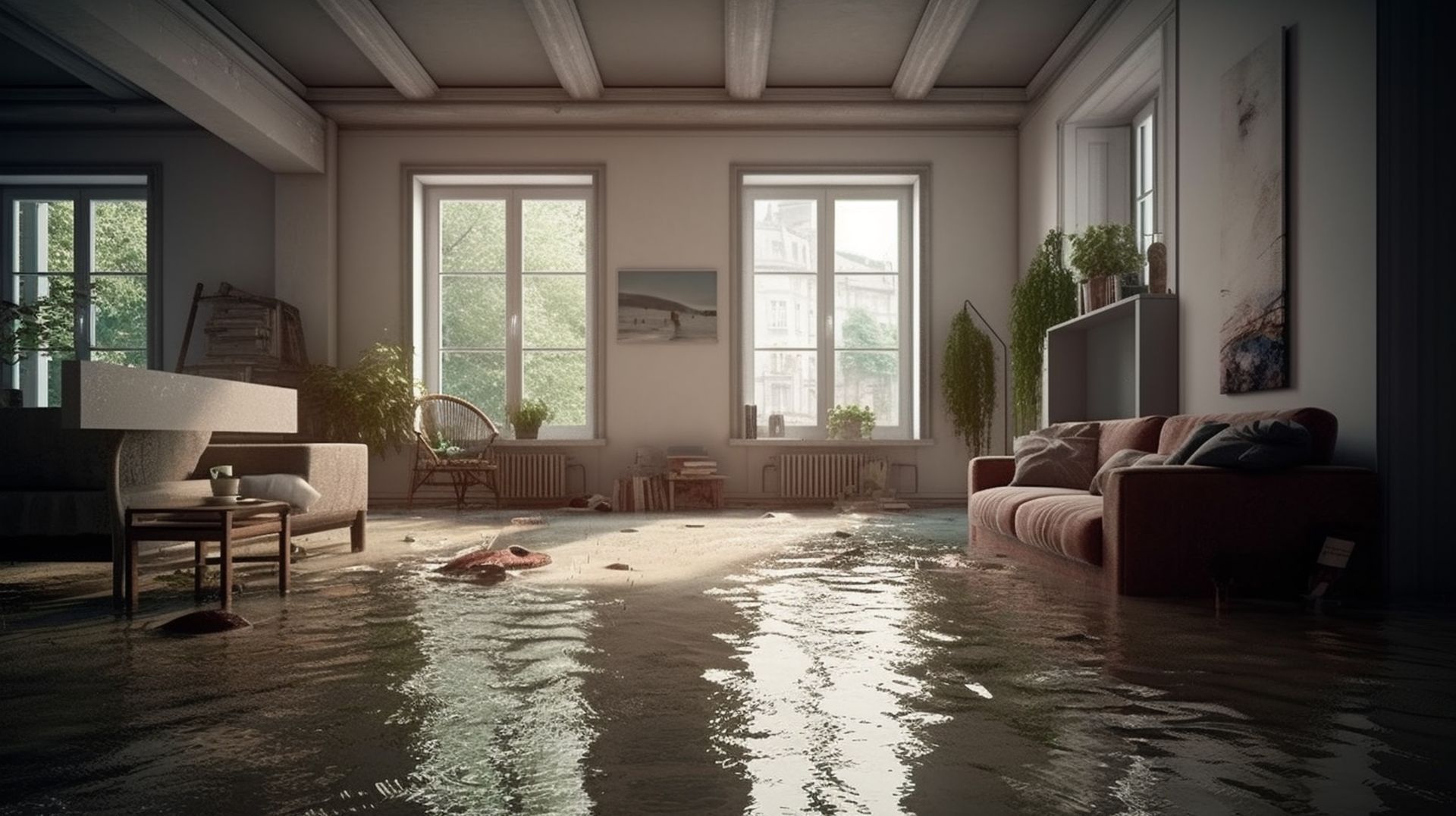
The water has stopped. Whether it was a burst pipe, a roof that gave way during a Sydney storm, or a toilet overflow that got out of hand, the immediate crisis feels like it is over. But standing in a wet room, looking at soaked carpet and waterlogged walls, most people have no idea what needs to happen next or how quickly.
That uncertainty is one of the most stressful parts of water damage. And in that gap between not knowing and not acting, the damage compounds quietly inside your walls, under your floors, and in the air your family is breathing.
What Is Flood Damage Restoration?
Flood damage restoration is the professional process of assessing, extracting, drying, sanitising, and verifying a property after water intrusion, returning it to a safe, stable condition that meets industry-recognised moisture and air quality standards. It goes well beyond removing visible water. A certified restoration process addresses moisture trapped inside structural materials, eliminates contamination risks, prevents mould growth, and provides documented evidence that the property is genuinely safe.
In Australia, flood damage restoration should be carried out by IICRC-certified technicians following the IICRC S500 Standard for Professional Water Damage Restoration.
Key Takeaways
- Structural drying takes a minimum of three to five days and cannot be safely rushed
- Water travels far beyond where it is visible. Moisture mapping is essential
- Mould can begin developing within 24 to 48 hours, even when surfaces appear dry
- The category of water, clean, grey, or black, determines the health risk and scope of work
- Early intervention directly reduces both the timeline and the total cost
- Flood damage in Sydney typically costs $2,200 to $16,000, depending on size, category, and response speed
When Should You Call a Restoration Company After Water Damage?
You should call a restoration company as soon as water has affected carpet, timber flooring, wall cavities, ceilings, subfloor spaces, or any porous material, particularly if the leak has been present for more than 24 hours. Small spills on sealed, non-porous surfaces can often be managed with a thorough wipe-down, but hidden moisture behind walls or beneath floors needs professional testing to confirm whether structural drying is required.
The earlier a certified technician assesses the property, the easier it is to contain the damage, prevent mould growth, and keep restoration costs as low as possible. Even when the visible damage looks minor, moisture mapping is the only reliable way to know whether the situation has been fully resolved or is quietly developing into a larger problem.
If you are unsure whether the incident warrants a call-out, a brief consultation is almost always worth it identifying the issue early is consistently cheaper and less disruptive than dealing with the consequences weeks later.
How Do Water Damage Restoration Specialists Assess Flood Damage in a Property?
A proper assessment goes far deeper than a visual walk-through. Water is deceptive, what you can see rarely reflects the full extent of what has happened inside your walls and beneath your floors.
What Tools and Methods Are Used to Detect Hidden Moisture After Flooding?
Specialists rely on three core tools:
- Moisture metres measure water content inside building materials well below the surface
- Thermal imaging cameras detect hidden moisture pockets inside walls, ceilings, and under floors
- Humidity sensors assess the moisture load in the air itself
Together, they create a moisture map showing where water has travelled, not just where it settled.
What Should I Expect During a Professional Flood Damage Inspection?
- Systematic room-by-room assessment, including subfloor spaces and wall cavities.
- Moisture readings were recorded at multiple points throughout the property.
- Full photographic documentation of all affected areas.
- A written report covering findings, moisture spread, and the recommended scope of works.
What Actually Happens After the Assessment: The Step-by-Step Restoration Timeline
Step 1: Rapid Water Extraction. Industrial pumps and vacuums remove standing water immediately. Every hour water sits, the deeper it penetrates structural materials.
Step 2: Dehumidification Industrial dehumidifiers draw moisture from the air, preventing it from re-depositing into drying materials.
Step 3: Air Movement High-powered air movers accelerate evaporation, pushing moisture-laden air out of the affected space continuously.
Step 4: Temperature Control Indoor temperature is managed to optimise drying and suppress the conditions that mould and bacteria need to develop.
Step 5: Ongoing Monitoring Smart sensors track moisture daily, allowing the team to adjust equipment as drying progresses.
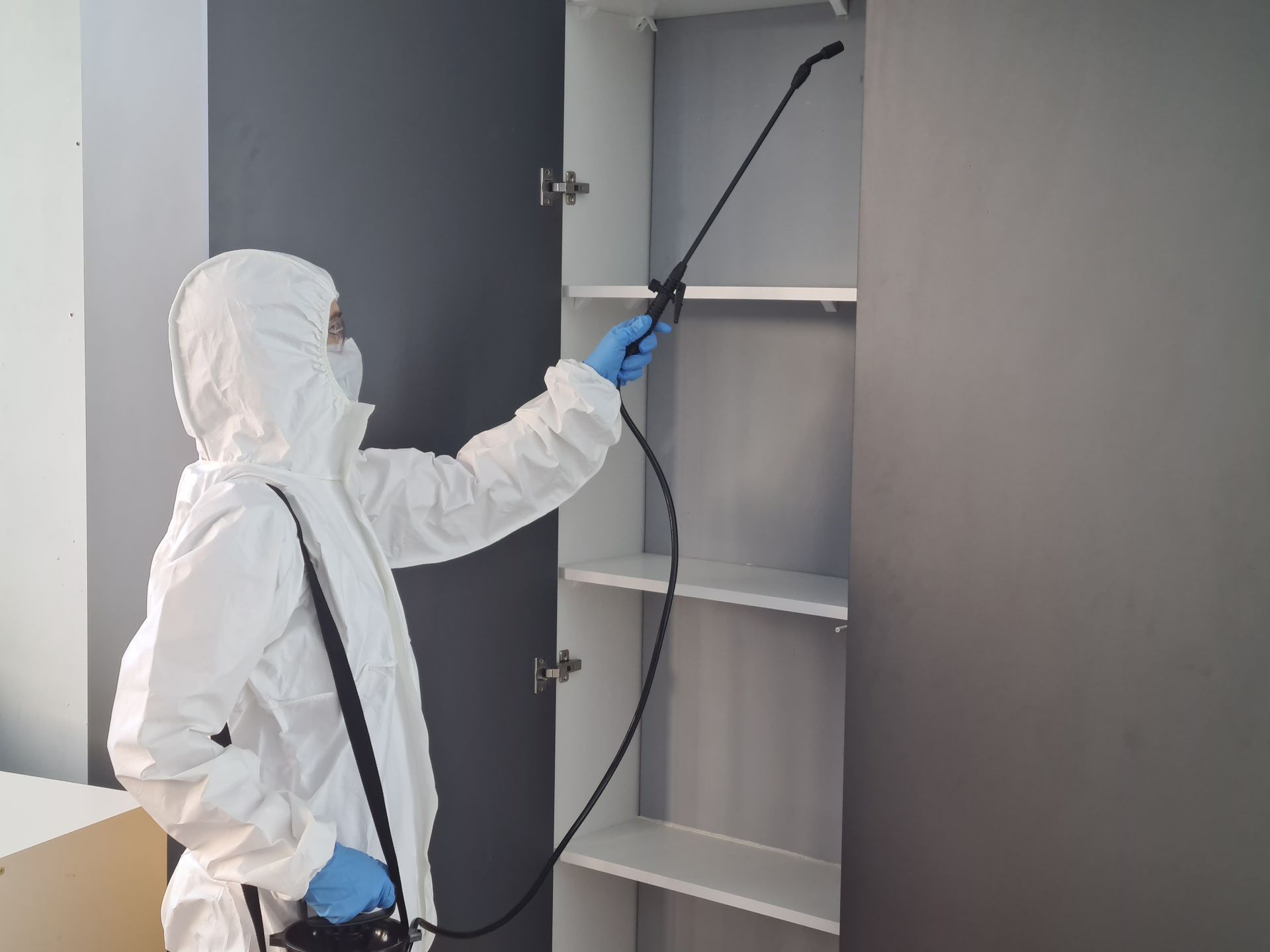
Step 6: Sanitisation Once drying targets are reached, all surfaces are treated with antimicrobial solutions to eliminate bacteria and contaminants.
Step 7: Final Verification Air quality and moisture testing confirm the property meets IICRC S500 standards before the job is signed off.
How Long Does Water Damage Restoration Usually Take, and What Determines the Timeline?
Structural drying alone takes a minimum of three to five days and cannot be rushed. Cutting it short is one of the most common causes of mould growth in the weeks that follow.
Factors That Affect the Timeline
- Size and location of the affected area, damage to structural cavities, take significantly longer
- The category of water, grey and black water, requires more extensive sanitisation and material removal
- Speed of response, earlier intervention, means less penetration and a shorter overall timeline
- Whether mould has already developed, this adds a separate remediation process to the job
What Realistic Timelines Look Like
Minor incidents can be resolved within a week. Significant structural flooding across multiple rooms realistically takes two to three weeks. Acting quickly limits the damage and directly reduces the total cost.
What Most People Get Wrong After Water Damage
Waiting to see if it dries out on its own. Without industrial dehumidification, moisture remains trapped inside wall cavities and subfloor spaces long after surfaces appear dry, creating ideal conditions for mould within 24 to 48 hours.
Thinking damage is only where water was visible. Water travels far beyond where it settles. Without moisture mapping, significant damage is routinely missed until mould or structural problems emerge weeks later.
Cleaning up before contacting the insurer. Disposing of materials before an insurance assessment can complicate or void a claim. Document everything first.
Assuming any drying equipment will do. Household fans and dehumidifiers cannot dry structural materials to the levels required under the IICRC S500 standard. Using them instead of industrial equipment significantly increases mould risk.
What Health Risks Are Associated With Flood Water and Post-Flood Contamination?
Floodwater is rarely just water. Depending on its source, it can carry bacteria, viruses, sewage, and mould spores, all posing real health risks.
Understanding the Three Categories of Water
- Category 1 (Clean Water) from sanitary sources. Lowest immediate risk, but deteriorates if left untreated beyond 24 to 48 hours
- Category 2 (Grey Water) from appliances or overflows without sewage. Contains bacteria requiring thorough sanitisation
- Category 3 (Black Water) sewage or overland floodwater. Should never be approached without professional PPE and training
When Contamination Requires Specialist Handling
This is paragraph text. Click it or hit the Manage Text button to change the font, color, size, format, and more. To set up site-wide paragraph and title styles, go to Site Theme.
Is Mould Growth Guaranteed After Flooding If Restoration Isn't Done Quickly?
Mould can begin developing within 24 to 48 hours. Once it takes hold, you are dealing with two separate problems that each require their own professional process.
Why Mould Develops Even When a Property Looks Dry
This is paragraph text. Click it or hit the Manage Text button to change the font, color, size, format, and more. To set up site-wide paragraph and title styles, go to Site Theme.
The Real Cost of Getting This Wrong
A property declared dry on appearance rather than verified moisture data will frequently present with mould growth four to six weeks later, at significantly greater cost. If mould has already taken hold, Apex Restore's mould remediation service addresses it at the root. For ongoing subfloor moisture issues, subfloor ventilation is worth considering once immediate restoration is complete.
How Do Professionals Ensure a Property Is Safe and Sanitised After Water Damage?
Drying a property and restoring it to a genuinely safe condition are not the same thing.
What the Sanitisation Process Involves
- Antimicrobial treatments were applied to all affected surfaces
- Removal and safe disposal of materials that cannot be adequately cleaned in Category 2 and 3 scenarios
- Post-restoration air quality testing before the property is handed back
What the Final Documentation Covers
A detailed final report provides a clear record for insurance claims, strata managers, landlords, tenants, and future property transactions.
How Much Does Professional Flood Damage Restoration Cost in Sydney?
Costs range from around $2,200 for a minor clean-water incident to $16,000 or more for complex structural drying involving contaminated water.
Key Factors That Influence the Final Cost
- Size and materials involved, porous materials take longer and are more likely to require removal
- Category of water, grey and black water, add sanitisation scope and cost
- The speed of response and early intervention consistently reduces overall cost
- Whether mould remediation is required, delayed or incomplete drying adds a separate scope
Apex Restore provides transparent, itemised quotes after a thorough inspection, no vague estimates, no unexpected costs. The team works directly with insurance companies to make the claims process as straightforward as possible.
What Is Typically Included in a Food Restoration Service, Residential vs Commercial?
A full service covers inspection, moisture mapping, extraction, structural drying, sanitisation, post-treatment testing, and a final report. Contents handling is part of the process, not an afterthought.
Residential Properties
The approach is personal, and flexible scheduling minimises disruption, and the team works with the care that comes with being in someone's home during a difficult time.
Commercial and Strata Properties
The priority shifts to minimising business interruption and coordinating with property managers, strata managers, and insurers. The standard of work is identical; what changes is how the job is structured and reported.
The Bottom Line
Water damage does not pause while you figure out your next move. The 24 to 48 hours after an event are the most critical window, and every hour of delay compounds the problem in ways that are not always visible until weeks later.
If you are dealing with water damage right now or are unsure whether something has been properly resolved, Apex Restore is available around the clock to assess, advise, and restore.
Get in touch with Apex Restore today because water damage handled the first time properly stays handled.
Frequently Asked Questions
Can I stay in my home during flood damage restoration?
It depends on the category of water and the extent of the damage. For clean water events with limited spread, remaining on the property is often possible while work is underway. For grey or black water contamination, or where damage is extensive and industrial equipment is operating throughout the property, temporary relocation is usually recommended for the health and comfort of all occupants.
Does home insurance cover flood damage restoration in Australia?
Coverage depends on your specific policy. Most standard home insurance covers sudden and accidental water damage, burst pipes or storm-related roof leaks, but may exclude overland flooding or damage from gradual leaks. Contact your insurer as soon as damage is discovered and before any significant works begin. A certified restoration company can provide the full documentation insurers require to process a claim efficiently.
How do I know when my property is genuinely dry after water damage?
A property is only confirmed dry when moisture readings across all affected materials have reached the target levels set by the IICRC S500 Standard, not when it looks or feels dry. A professional restoration company provides moisture readings at both the start and end of the drying process and includes this data in the final report.
What happens if water damage is not treated quickly?
Within 24 to 48 hours, mould can begin developing in moisture-affected materials. Within a week of untreated water damage, structural materials can begin to warp, swell, and deteriorate, and contamination risks increase significantly. Early intervention consistently reduces both the scope of damage and the overall cost of restoration.
Do I need a specialist for a small water leak?
Not always. A minor, contained leak on a hard, non-porous surface cleaned up immediately may not require professional restoration. However, if the leak has been present for more than 24 hours, has affected porous materials, or is near wall cavities or subfloor spaces, a professional moisture assessment is strongly recommended even if the visible damage looks minor.