Hoarding vs Squalor Cleaning: Key Differences, Health Risks & How Professionals Help
Most people use the words hoarding and squalor interchangeably. They are not the same thing, and understanding the difference is the first step to knowing what kind of help is actually needed.
If you are reading this, you are probably dealing with one or both of these situations right now. Maybe it is a family member's property. Maybe you are a landlord who has discovered the condition of a tenancy. Whatever the circumstances, this guide is written to help you understand what you are looking at, what the real risks are, and what professional help looks like when it is done properly.
What Is Hoarding and How Is It Different From Squalor?
These two conditions are distinct, though they frequently appear together.
Hoarding disorder is a recognised mental health condition characterised by the excessive accumulation of items combined with a persistent difficulty discarding them. A person living with a hoarding disorder may not recognise the severity of their situation. The clutter is the symptom of something deeper.
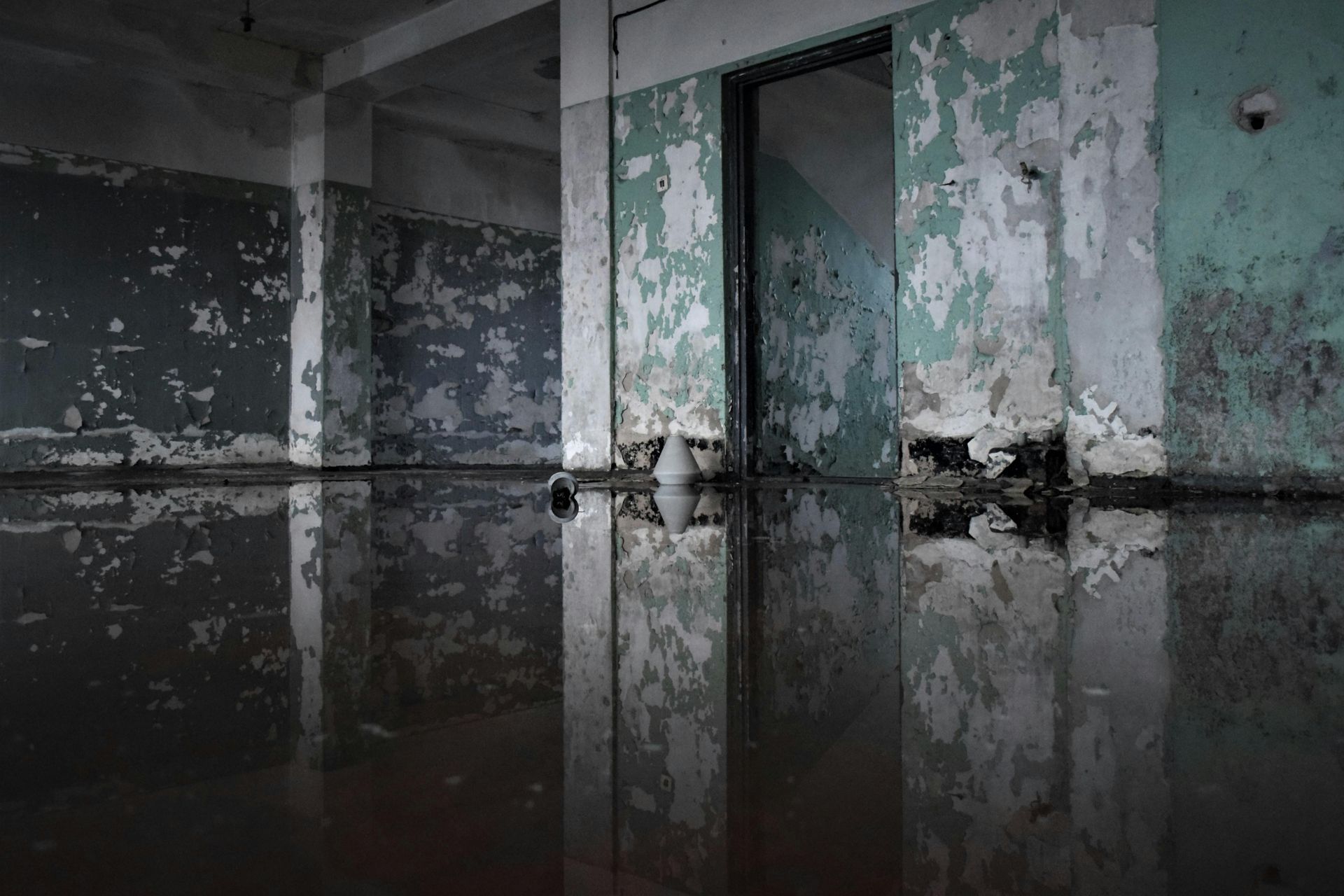
Squalor refers to living conditions so unclean and unsanitary that they pose a genuine risk to health and safety. It can develop independently through physical illness, mental health deterioration, or grief, but frequently coexists with hoarding.
Key Takeaways
- Hoarding and squalor are distinct conditions that require different clean-up approaches
- Hoarding is a recognised mental health condition; the clutter is a symptom, not the whole problem
- Squalor involves unsanitary, hazardous conditions that can include biohazards, mould, and pest contamination
- Health risks in both situations extend beyond the occupant to neighbours and future residents
- Severe cases always require professional intervention; standard cleaning is not sufficient
- The right provider brings both technical certification and a genuinely empathetic, patient approach
Why the Distinction Matters for Clean-Up
Hoarding clean-up demands a patient, structured process that respects the occupant's emotional connection to their possessions. Rushing or discarding without consent causes significant distress and damages trust.
Squalor clean-up in severe cases involves the removal of biohazardous material animal and human waste, decomposing matter, pest contamination requiring specialist training, PPE, and certified waste disposal. It is closer to trauma cleaning than a standard deep clean. When both conditions are present, the job requires expertise in both.
What Health Risks Are Associated With Hoarding and Squalor Living Conditions?
The health risks are serious and frequently underestimated.
Physical Health Hazards
In hoarding-only situations, the primary risks include:
- Fire risk - Hoarding-related fires cost on average sixteen times more than non-hoarding fires due to combustible material and restricted emergency access
- Fall and injury risk - Cluttered pathways and blocked exits create significant hazards, particularly for elderly occupants
- Poor air quality - Dust accumulation and restricted airflow worsen respiratory conditions over time
Where squalor is present, the risk escalates significantly with biohazardous contamination, mould growth, pest infestation, and ammonia exposure from accumulated waste all posing serious health threats.
Can Hoarding-Related Clutter Lead to Respiratory Issues, Mould, and Pests?
Yes, and more readily than most expect. Cluttered spaces restrict airflow, create moisture pockets, and provide ideal conditions for mould and pest populations. Once an infestation takes hold in a severely cluttered property, it is far more difficult to eradicate. The health impact extends beyond the occupant; neighbouring properties can be affected by pest migration, and future occupants face risks if the clean-up is not conducted properly.
Can You Clean a Hoarder House Yourself or Is Specialist Help Required?
This depends on the scale and specific conditions.
When Independent Decluttering May Be Appropriate
For mild to moderate hoarding with no biohazard presence, family members or support workers can assist with gradual decluttering where the occupant is engaged, and the goal is incremental. This requires patience, a non-judgmental attitude, and realistic expectations.
What Makes DIY Unsafe in Severe Case
In serious situations, attempting a clean-up without specialist support creates real risks:
- Exposure to biohazards, household PPE is not adequate protection against pathogens in severe squalor
- Inadvertent destruction of important items buried in the property, such as documents, medications, and valuables
- Emotional and psychological harm to family members attempting the work without preparation
- Incomplete remediation surface cleaning that leaves mould or biological material inside structural materials
Australian public health guidance is consistent: one-off cleaning by untrained individuals is rarely adequate and frequently results in conditions deteriorating again without a proper remediation plan.
How Do Professional Hoarder Clean-Ups Differ From Regular Cleaning Services?
A regular cleaning service works on accessible surfaces under standard conditions. A professional hoarder and squalor clean-up operates in environments that are structurally compromised, biologically hazardous, and emotionally complex, requiring fundamentally different skills.
Step 1: Assessment and Planning - Full on-site assessment of hoarding extent, squalor conditions, biohazard presence, and occupant sensitivities. The written scope of works is produced before anything begins.
Step 2: Sorting and Decluttering - Items sorted into retained, donated, or disposed of with occupant involvement. Nothing of potential value is discarded without a clear decision-making process.
Step 3: Biohazard Removal - Contaminated materials are removed using appropriate PPE and disposed of through licensed waste contractors under Australian environmental protection legislation.
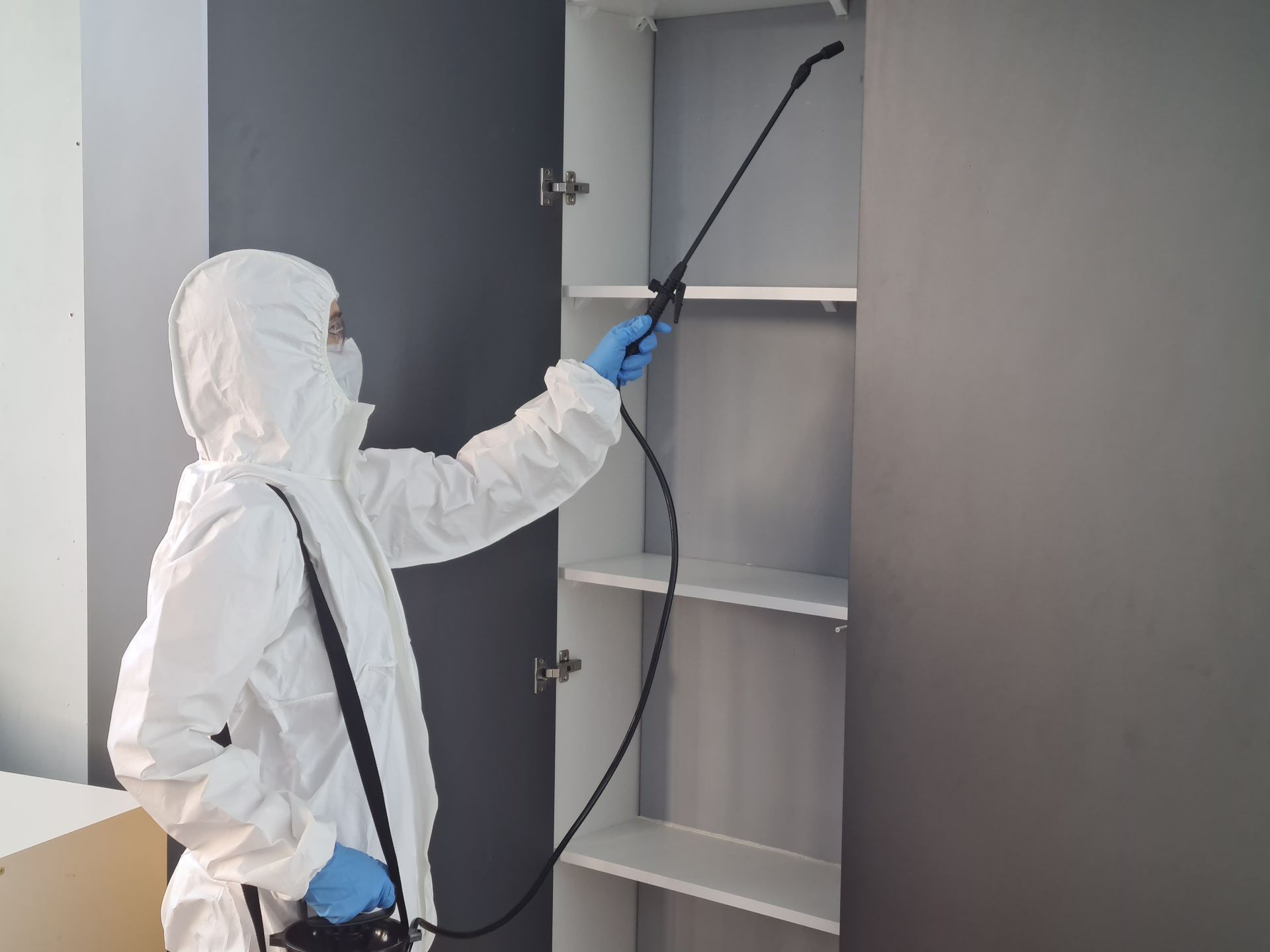
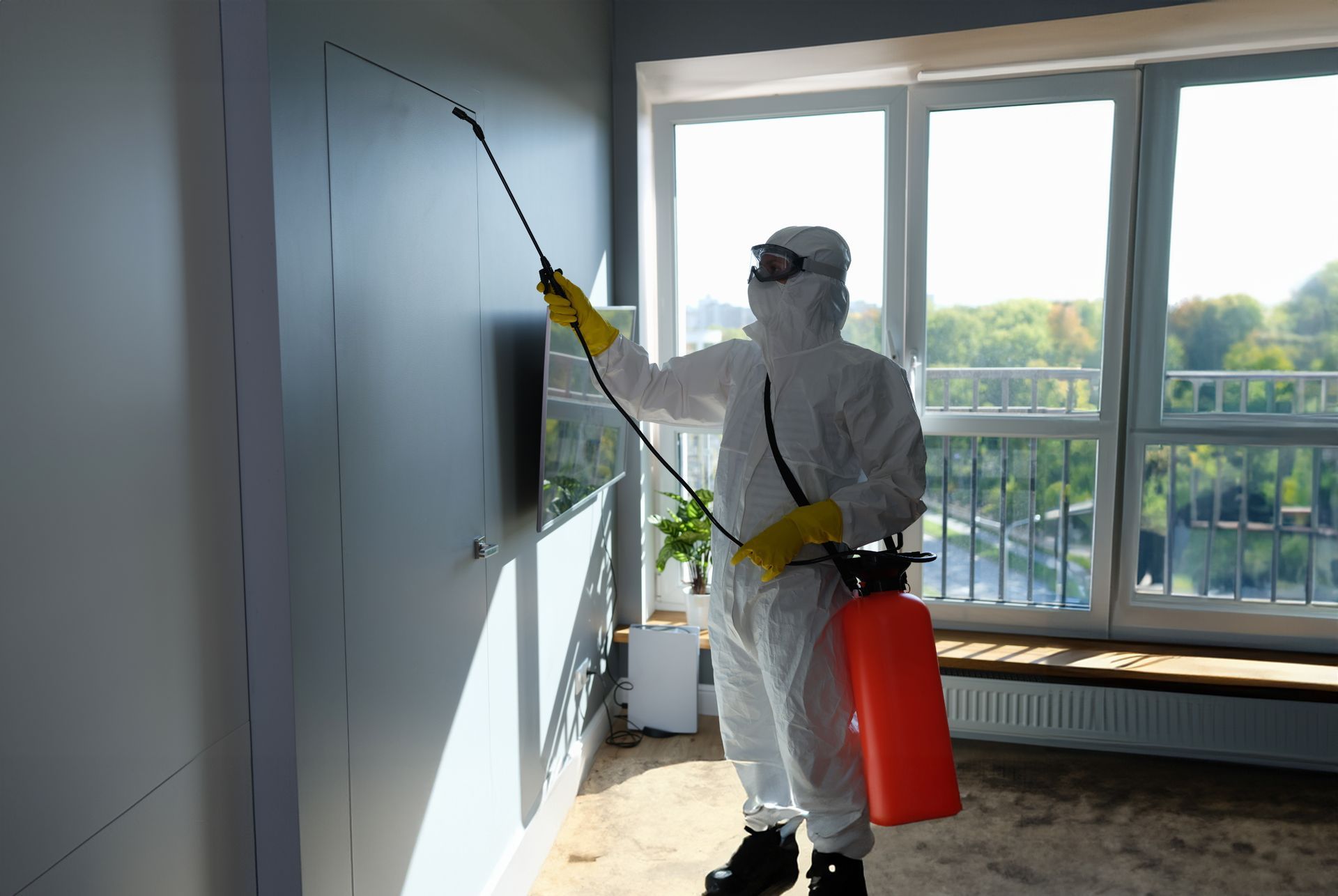
Step 4: Deep Cleaning and Sanitisation - All surfaces treated with hospital-grade disinfectants. Mould-affected materials addressed, pest contamination treated in coordination with specialist services.
Step 5: Deodorisation - Odour neutralised using specialist equipment, eliminated at source rather than masked.
Step 6: Final Walkthrough and Documentation - Final inspection confirms the property meets a habitable, safe standard with documentation provided for insurance, rental compliance, or public health requirements.
How Do Professional Cleaners Ensure Occupant Safety After Remediation?
Mould testing confirms spore levels are within safe limits. Pest controller clearance is obtained before the property is considered habitable. Contaminated structural materials are verified as properly removed. Apex Restore's team holds training in trauma-informed care and mental health first aid, recognising the occupant is often in a vulnerable position and that how the clean-up is conducted directly affects their wellbeing and the likelihood of maintaining improved conditions.
How Do I Choose a Reputable Hoarder or Squalor Cleaning Service in Sydney?
What to Look For
- IICRC certification - The globally recognised standard, including training in biohazardous conditions
- Experience with both hoarding and squalor - Ask specifically about biohazard removal, not just decluttering
- A non-judgmental, empathetic approach - Teams without care or sensitivity damage occupant trust and produce worse outcomes
- Transparent pricing after a proper site assessment - No reputable provider quotes without seeing the property
- Discretion - unmarked vehicles, confidential handling, and respect for privacy
Red Flags to Watch For
Be cautious of providers who quote without an on-site assessment, cannot explain biohazardous waste disposal, do not mention the occupant's perspective, or offer unusually low pricing with no explanation of scope.
What Qualifications Should Hoarder and Squalor Cleaning Specialists Have in Australia?
IICRC certification is the baseline. Where biohazardous material is involved, the TCST qualification is relevant. WHS compliance is required, including documented safe work method statements and full PPE provision. EPA-compliant waste disposal through licensed contractors is a legal requirement for any squalor involving human or animal waste.
Once you understand what to look for, the natural next step is knowing what to ask. The following questions cover that directly.
What Should I Ask Before Hiring a Company for Hoarder or Squalor Clean-Up Work?
- Do you conduct an on-site assessment before quoting?
- Are your technicians IICRC certified with biohazard experience?
- How do you handle the occupant's possessions — what is the decision-making process?
- Do you use licensed contractors for biohazardous waste disposal?
- How do you approach the situation if the occupant is present and distressed?
- Do you provide documentation on completion?
- Do you work with families, landlords, and property managers?
A provider who answers these clearly and without hesitation is one you can trust.
The Bottom Line
Hoarding and squalor are not the same problem and are not solved by the same approach. They share one thing real health risks, real emotional weight, and real consequences if not handled properly.
The right team assesses, plans, and restores with care for the property and for the person. They work with discretion, without judgment, and with the technical competence to ensure the space is genuinely safe when they leave.
Get in touch with Apex Restore today for a confidential, no-obligation conversation about what is needed and how we can help.
Frequently Asked Questions
How much does hoarding or squalor cleaning cost in Sydney?
Costs depend significantly on the scale and condition of the property. For relatively contained situations with limited biohazard presence, costs typically start from around $1,000 to $5,000. Moderate situations run $5,000 to $10,000, and severe cases involving extensive squalor, structural contamination, or large properties can run $10,000 to $20,000 or more. Apex Restore provides transparent, itemised quotes after a thorough assessment no guesswork and no hidden costs.
Can a landlord arrange a hoarding or squalor clean-up for a rental property?
Yes. Landlords and property managers frequently engage professional services for tenanted properties, both during a tenancy where conditions have deteriorated and at the end of a tenancy during vacate. Apex Restore works directly with property managers, real estate agents, and strata managers and can coordinate the process efficiently while treating the former occupant's situation with appropriate sensitivity.
Does insurance cover hoarding or squalor clean-up?
Some home and contents insurance policies cover elements of squalor remediation, particularly where the conditions have resulted in structural damage, mould, or pest infestation. It is worth contacting your insurer early and engaging a provider that can supply the documentation insurers require. Apex Restore assists with this process as standard.
What happens if the person living in the hoarded or squalor-affected home does not want help?
This is one of the most common and most difficult aspects of these situations. A person with a hoarding disorder may not recognise the severity of their condition or may resist intervention. Where the occupant is not engaged, family members, support workers, GPs, or local government environmental health officers can sometimes facilitate access. In cases where the conditions pose a risk to public health, local councils in NSW have the authority to require remediation. Apex Restore works sensitively with all parties and can advise on the appropriate approach for the specific circumstances.